
What
What is Hydrojet Drain Cleaning?
High-pressure water (PSI) + flow (GPM) that cuts and flushes debris, scrubbing pipe walls to remove grease, sludge, roots and scale.
- Camera-first inspection to assess pipe condition
- Adjustable pressure/nozzles per pipe material
- Chemical-free when done by licensed pros
- Access via cleanout or fixture; insert hose.
- Nozzle advances while jets cut + flush debris.
- Flow test; if needed, second pass to polish walls.
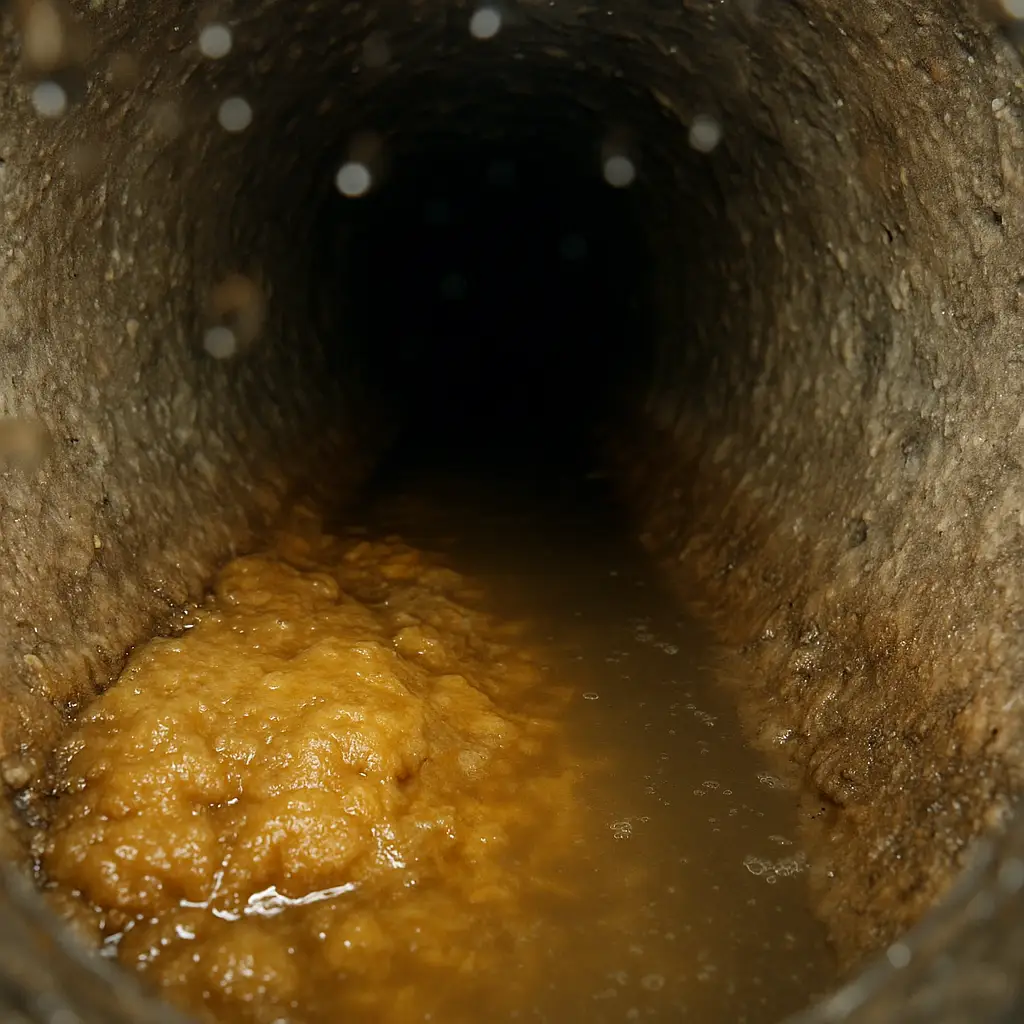
Works on grease, scale, roots, sludge and food/soap build-up.
Settings vary by pipe diameter/material and severity of build-up.
Why
Why choose Hydrojetting vs. a Basic Snake?
Cleaner walls, longer-lasting results and commercial performance.
Deep clean
Cleans the pipe wall, not just a small passage.
Longer-lasting
Best on grease/scale build-up & recurring clogs.
Commercial-ready
Kitchens, mainlines & storm drains at scale.
Safe & controlled
Camera-guided with tailored PSI/nozzle.
Hydrojet
- Cuts + flushes (PSI + GPM)
- Removes grease, roots & scale
- Best for recurring clogs
Snake
- Opens a small hole in blockage
- Good for single obstructions
- Limited on heavy build-up
When
When to use Hydrojet Drain Cleaning
Use this quick check to see if hydro-jetting fits your situation.
Toggle the cases that apply:
Find Hydrojet Drain Cleaning Near Me
Explore our interactive map of the United States to find vetted hydrojet drain cleaning pros and compare services, prices, and local deals (e.g., $49 drain cleaning near me). JetCleanDrain helps you book licensed & insured specialists for sewer line jetting, camera inspection, commercial hydrojetting, and 24/7 emergency coverage—wherever you’re searching.
United States • Nationwide Coverage
Hydrojet Drain Cleaning by State (U.S.)
Choose your state in the United States and hire certified hydrojet drain cleaning technicians. Compare sewer line jetting, camera inspection, commercial hydrojetting, and 24/7 emergency service.
What to Expect During Hydrojet Drain Cleaning
From camera inspection to a clean, free-flowing line—clear steps, realistic timing, and safety-first checks.
-
Camera-first
Inspection~5–10 min
-
Setup & Safety
~5–15 min
-
Jetting: Cut + Flush
~20–45 min
-
Verify & Prevent
~5–15 min
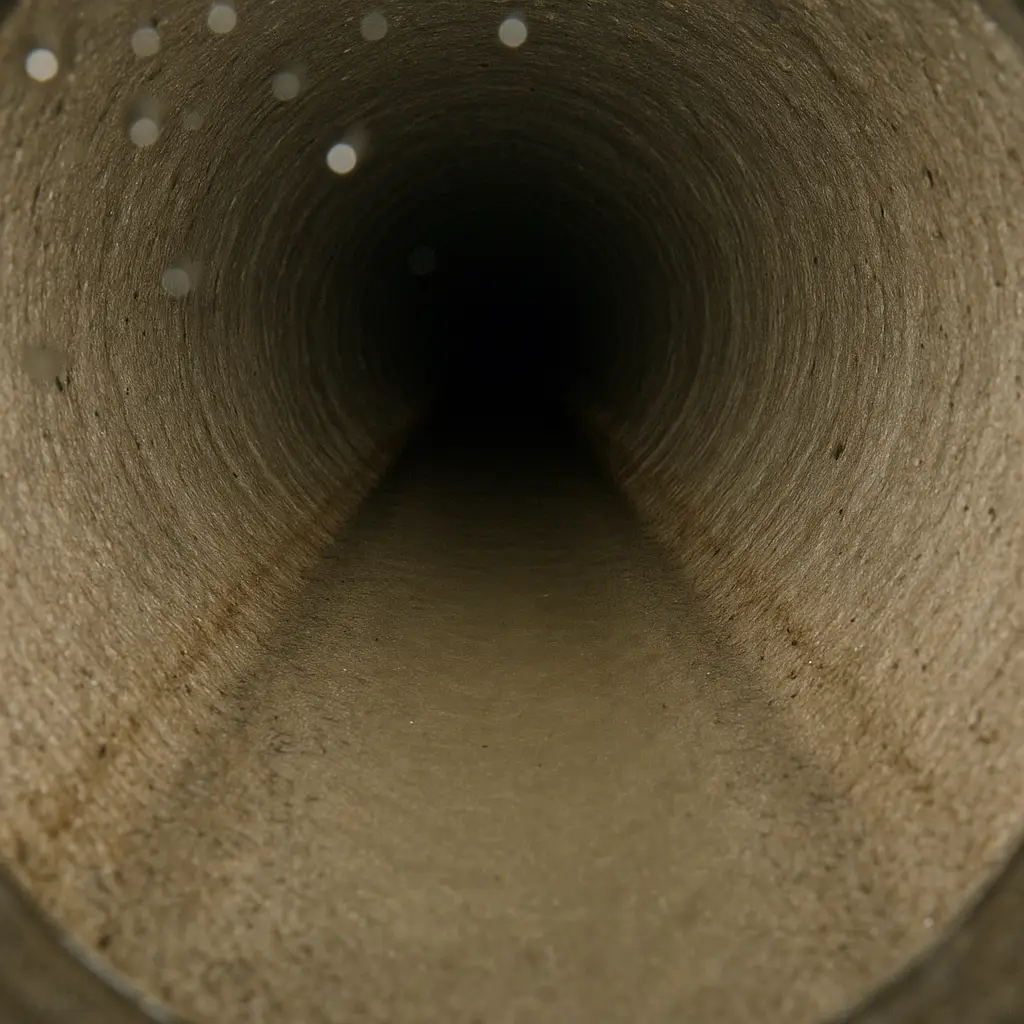
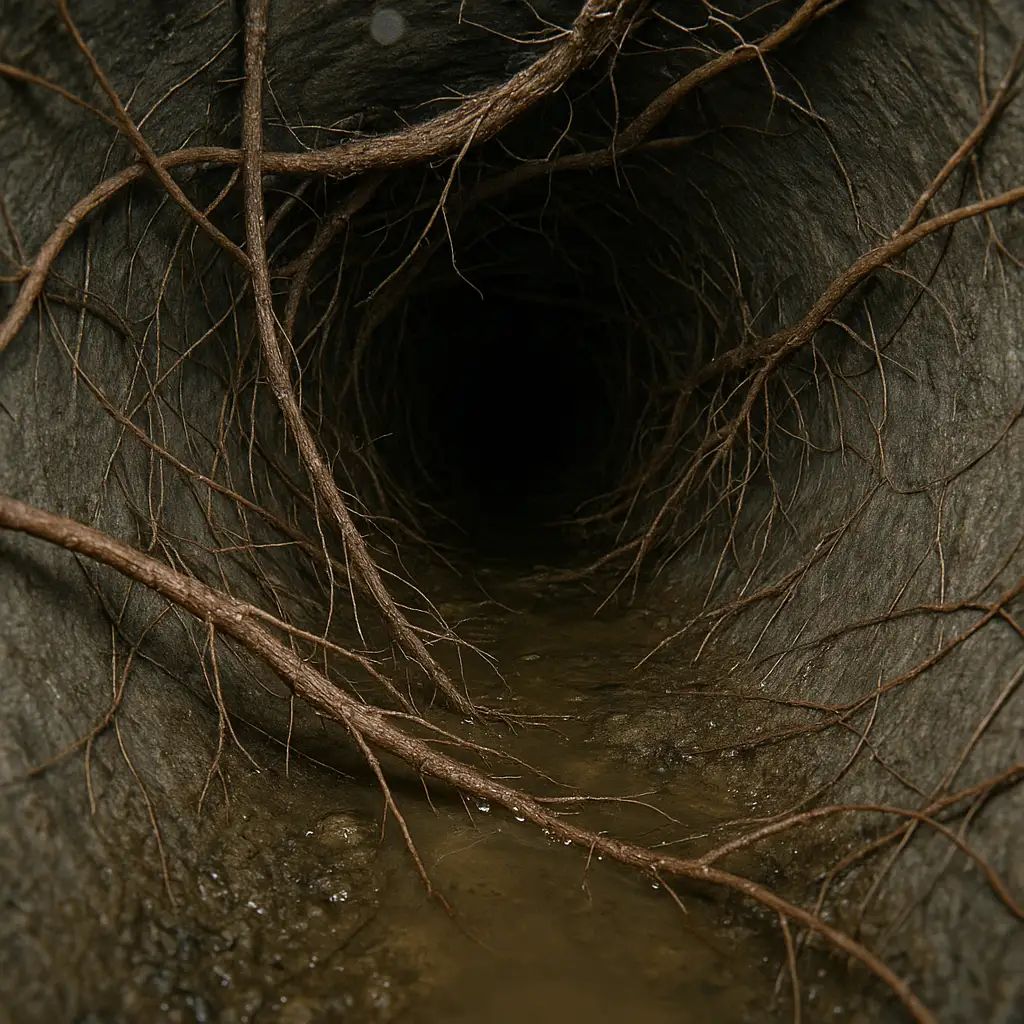
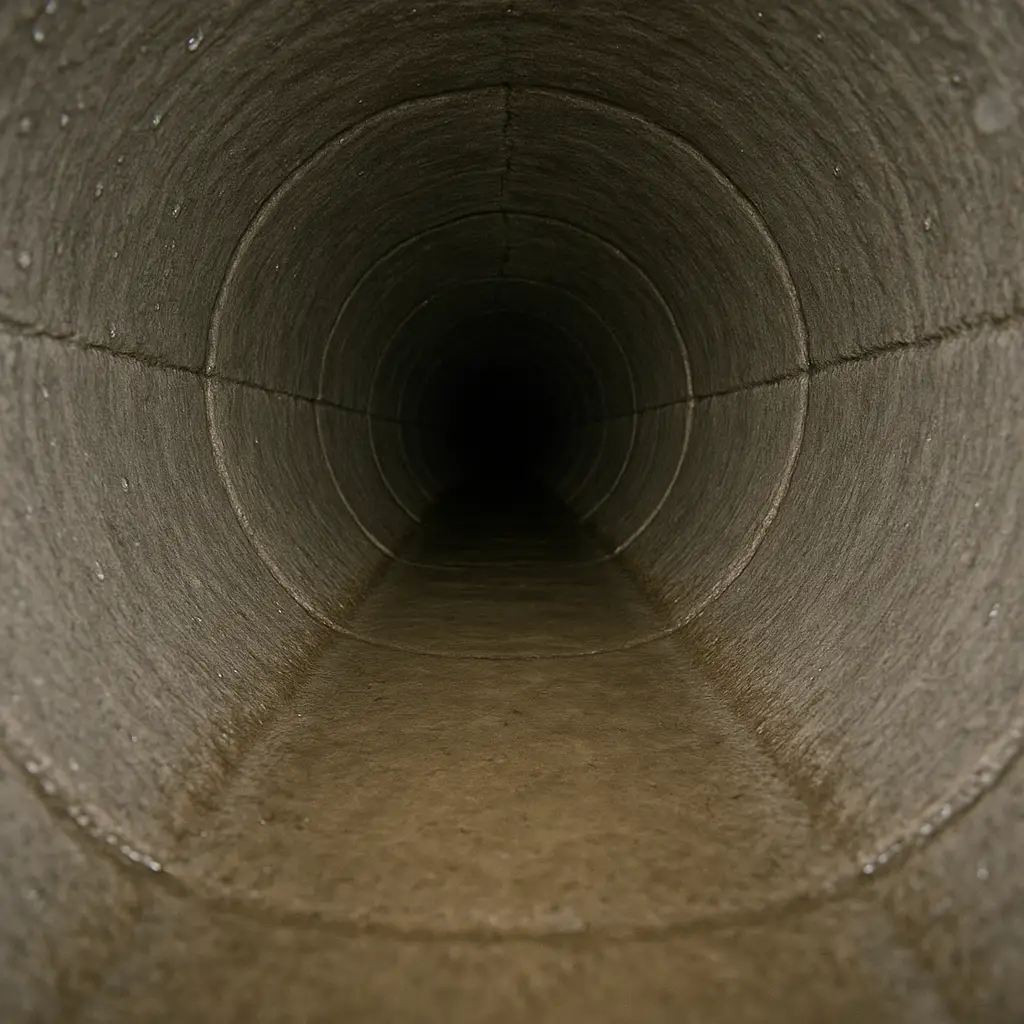
Hydrojet Drain Cleaning — Before & After
Hydrojet Drain Cleaning – Frequently Asked Questions
Looking into Hydrojet Drain Cleaning for your home or business? Below we answer the most common questions about how hydrojetting works, what it costs, when it’s recommended, and what to expect before and after service.
What is Hydrojet Drain Cleaning?
Hydrojet Drain Cleaning uses high-pressure water streams to scour the inside of your pipes, removing grease, scale, sludge, and even intrusive tree roots.
How is Hydrojet Drain Cleaning different from snaking?
Snaking only opens a hole through the blockage. Hydrojetting fully cleans the pipe diameter, flushing away buildup that causes repeat clogs.
How much does Hydrojet Drain Cleaning cost?
Most residential jobs range between $300 and $600, depending on pipe size, severity of the blockage, and access. Commercial or large-scale jobs can cost more.
Is Hydrojet Drain Cleaning safe for older pipes?
Yes—if the line is structurally sound. A camera inspection is performed first to ensure no collapsed or severely cracked pipes are exposed to the jet.
Can Hydrojet Drain Cleaning remove tree roots?
Yes. With a rotary nozzle, hydrojetting cuts through root intrusions and flushes them from the sewer line, followed by a camera verification.
How long does Hydrojet Drain Cleaning take?
Typical residential services take 30 to 90 minutes, depending on the amount of buildup and pipe length.
Do I need a cleanout for Hydrojet Drain Cleaning?
Yes. A proper cleanout or access point is required for the technician to safely introduce the hydrojet equipment.
How often should Hydrojet Drain Cleaning be done?
For regular homes, only as needed when clogs recur. Restaurants or properties with heavy grease or frequent root problems often schedule preventative jetting every 6–12 months.
Is Hydrojet Drain Cleaning environmentally friendly?
Yes. It relies solely on water pressure—no harsh chemicals—making it safe for the environment and plumbing systems.
What should I expect after Hydrojet Drain Cleaning?
Pipes return to near-original capacity, water flows freely, and post-service camera inspections confirm the line is clear and hydrated.